What is ISO in Photography? A Comprehensive Guide (PDF Focus)
ISO‚ standardized by the International Organization for Standardization‚ dictates a digital camera’s sensitivity to light. Understanding ISO is crucial for achieving proper exposure‚
especially when working with varying light conditions‚ and is a key element of the exposure triangle.
Understanding ISO: The Basics
ISO in photography fundamentally represents how sensitive your camera’s image sensor is to the available light. Think of it as boosting the signal from the sensor; a lower ISO (like 100 or 200) means the sensor is less sensitive‚ requiring more light for a proper exposure. Conversely‚ a higher ISO (800‚ 1600‚ or higher) increases sensitivity‚ allowing you to shoot in darker environments.
This sensitivity isn’t free‚ however. Increasing ISO amplifies everything‚ including noise – often appearing as graininess in your images. Therefore‚ the goal is generally to use the lowest ISO possible while still achieving a correctly exposed photograph. It’s a balancing act between brightness and image quality. The ISO setting is a core component of the exposure triangle‚ alongside aperture and shutter speed‚ all working together to determine the final look of your photo.
Essentially‚ ISO controls the brightness of the image. A higher number makes the image brighter‚ but potentially introduces more noise. Mastering ISO is vital for photographers of all levels.
The International Organization for Standardization (ISO) and Photography
The term ISO in photography doesn’t stand for anything specific; it simply references the International Organization for Standardization‚ a global independent standards body. This organization develops and publishes a wide range of standards‚ and one of them defines the system for measuring a camera’s sensitivity to light. It’s a numerical scale used to indicate this sensitivity‚ ensuring consistency across different camera manufacturers.
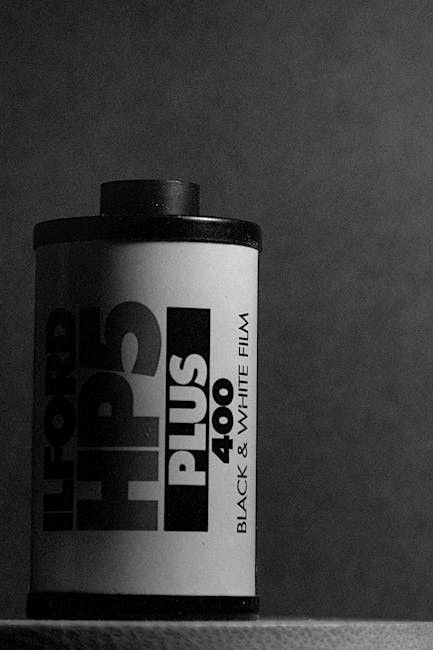
Before digital cameras‚ film had an ISO rating (often referred to as ASA) determined by its manufacturing process. Digital cameras emulate this with adjustable ISO settings. The ISO standard provides a common language for photographers to understand and compare sensitivity levels‚ regardless of whether they’re using film or digital equipment.
Ricoh Global highlights that ISO sensitivity is a numerical value representing light sensitivity. This standardization allows for predictable results and facilitates communication within the photographic community. Understanding the organization behind the term clarifies its purpose: a universally recognized benchmark for image sensor responsiveness.
ISO as Sensor Sensitivity to Light
ISO fundamentally controls how responsive your camera’s sensor is to light. Think of it as amplifying the light signal received. A lower ISO (like 100) means the sensor is less sensitive‚ requiring more light for a proper exposure. Conversely‚ a higher ISO (like 3200 or higher) makes the sensor more sensitive‚ allowing you to shoot in darker conditions.
Essentially‚ ISO adjusts the gain applied to the signal from the image sensor. Skylum explains ISO sensitivity as a number indicating how sensitive your camera is to light. This amplification isn’t without consequences‚ as increasing ISO can introduce digital noise (grain) into your images.
The camera sensor captures light‚ converting it into an electrical signal. ISO boosts this signal. Reddit’s r/explainlikeimfive defines ISO as the sensitivity to light of a film stock or sensor setting. Therefore‚ understanding ISO is about controlling the sensor’s ability to capture and process available light.
How ISO Affects Image Brightness
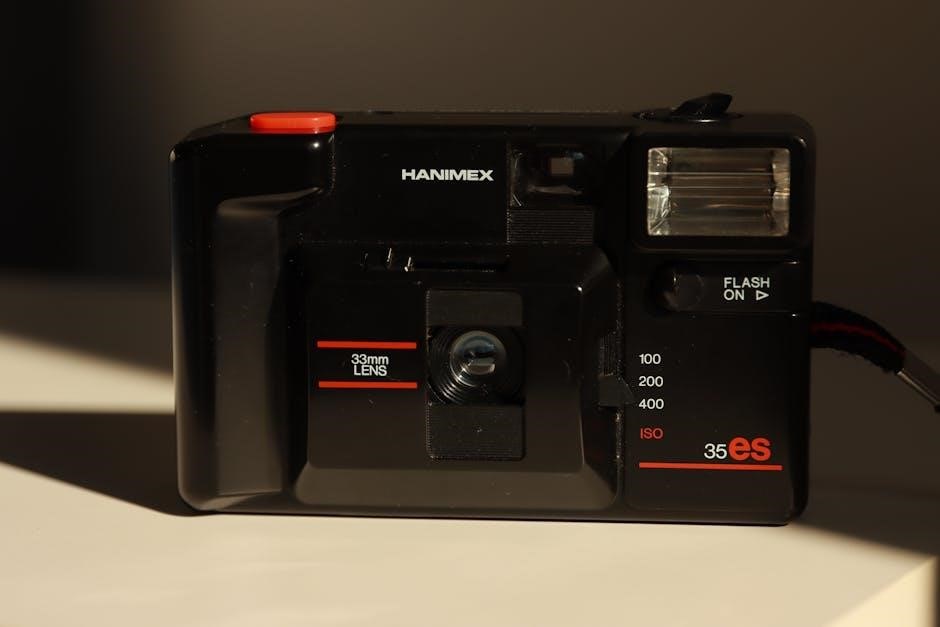
ISO directly impacts the brightness of your photographs. Increasing the ISO value brightens the image‚ even if other settings – aperture and shutter speed – remain constant. This is because a higher ISO amplifies the light signal received by the sensor‚ resulting in a brighter picture. Conversely‚ decreasing the ISO darkens the image.
Ricoh Global highlights that a higher ISO number indicates a greater ability to capture light. This is particularly useful in low-light situations where you need to maintain a fast shutter speed to freeze motion or a narrow aperture for greater depth of field. However‚ remember that brightening an image via ISO comes with a trade-off: increased noise.
Essentially‚ ISO provides a way to adjust exposure when you’re limited by aperture or shutter speed. Reddit’s r/AskPhotography explains that a low ISO is less sensitive to light than a high ISO. Therefore‚ ISO is a crucial tool for controlling image brightness and achieving the desired exposure.
The ISO Scale and Common Values
The ISO scale is a standardized system of values representing a camera sensor’s sensitivity to light. It’s a logarithmic scale‚ meaning each full stop increase doubles the sensitivity. Common base ISO values are 100‚ 200‚ 400‚ 800‚ 1600‚ 3200‚ and 6400‚ though many cameras extend beyond these.
ISO 100 is considered a low base ISO‚ providing the cleanest image with the least amount of noise. ISO 200 offers a slight increase in sensitivity‚ while ISO 400 is often used in brighter outdoor conditions. As you move up the scale – 800‚ 1600‚ and beyond – sensitivity increases‚ allowing for shooting in darker environments.
Modern digital cameras often allow for ISO values beyond 6400‚ sometimes reaching 25600‚ 51200‚ or even higher. However‚ increasing ISO significantly introduces more digital noise. Understanding this scale and the trade-offs is vital for making informed decisions about image quality and exposure.
Low ISO Settings (e.g.‚ 100‚ 200) ⎻ Benefits and Use Cases
Employing low ISO settings‚ such as 100 or 200‚ yields the highest possible image quality with minimal digital noise or grain. These settings are ideal for situations with ample light‚ like bright daylight or well-lit studios. The primary benefit is capturing images with exceptional detail and clarity‚ preserving subtle tonal variations.
Use cases for low ISO include landscape photography where preserving detail in textures like foliage and rock formations is paramount. Portrait photography in a studio setting also benefits‚ allowing for accurate skin tones and smooth gradients. Product photography‚ demanding precise color rendition and sharpness‚ is another excellent application.
Essentially‚ whenever light is abundant‚ prioritizing a low ISO ensures the cleanest‚ most accurate representation of the scene. It provides the greatest flexibility in post-processing‚ allowing for more extensive editing without introducing unwanted artifacts. Remember‚ lower ISO equals higher quality in good lighting.
High ISO Settings (e.g.‚ 800‚ 1600‚ 3200+) ⎻ Benefits and Use Cases
When shooting in low-light conditions‚ increasing the ISO setting – to 800‚ 1600‚ 3200 or higher – becomes essential. This boosts the camera sensor’s sensitivity to light‚ enabling faster shutter speeds and wider apertures. The primary benefit is the ability to capture usable images in situations where a lower ISO would result in blurry or underexposed shots.
Use cases for high ISO are numerous. Concert photography‚ capturing fast-paced action sports‚ and astrophotography all demand higher ISO values. Indoor events with limited lighting‚ such as weddings or parties‚ also necessitate increased sensitivity. Wildlife photography at dusk or dawn often relies on high ISO to freeze motion.
However‚ it’s crucial to understand the trade-off: higher ISO introduces more digital noise. Modern cameras handle high ISO performance remarkably well‚ but careful consideration is needed to balance brightness and image quality. It’s about finding the highest usable ISO for the specific situation.
The Trade-off: ISO and Image Noise (Grain)
Increasing the ISO setting amplifies the signal from the camera’s sensor‚ but it also amplifies any noise present. This noise manifests as graininess or speckling in the image‚ reducing clarity and detail. The higher the ISO‚ the more pronounced this effect becomes. This is the fundamental trade-off photographers face when adjusting ISO.
Digital noise differs from film grain‚ though the visual effect is similar. Film grain is a natural characteristic of film stock‚ while digital noise is an artifact of the electronic sensor. Modern cameras employ noise reduction algorithms to mitigate this issue‚ but these algorithms can sometimes soften the image and reduce sharpness.
The acceptable level of noise depends on the intended use of the photograph. For large prints or critical applications‚ minimal noise is desired‚ necessitating lower ISO settings. However‚ for web-based images or casual viewing‚ a moderate amount of noise may be acceptable in exchange for a properly exposed photograph. Understanding this balance is key.
ISO and the Exposure Triangle
ISO is one of three core elements forming the exposure triangle‚ alongside aperture and shutter speed. These three settings work interdependently to determine the brightness and overall look of a photograph. Mastering their relationship is fundamental to photographic control.
The exposure triangle illustrates that adjusting one setting often requires compensating with another to maintain proper exposure. For example‚ if you increase the ISO in low light to achieve a faster shutter speed (preventing motion blur)‚ you might need to adjust the aperture to control the depth of field and overall brightness.
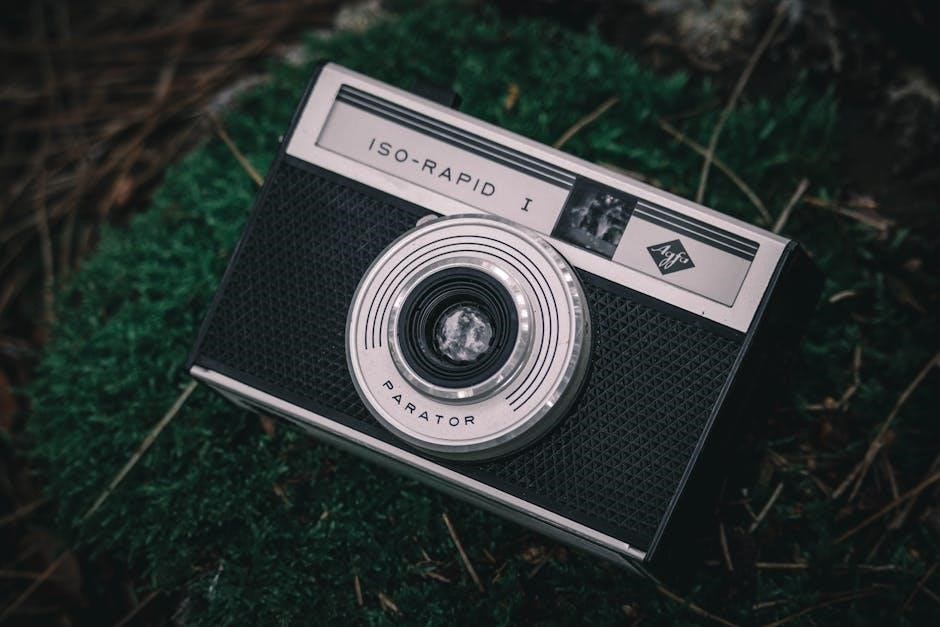
Understanding how these settings interact allows photographers to make creative decisions. A lower ISO paired with a wider aperture and slower shutter speed can create a shallow depth of field and motion blur‚ while a higher ISO with a narrow aperture and fast shutter speed can freeze action and maximize sharpness. The triangle provides a framework for balancing these elements.
Relationship Between ISO‚ Aperture‚ and Shutter Speed
The interplay between ISO‚ aperture‚ and shutter speed defines photographic exposure. ISO controls sensor sensitivity to light; aperture regulates the lens opening‚ influencing light intake and depth of field; and shutter speed dictates how long the sensor is exposed to light.
Increasing ISO amplifies the signal‚ brightening the image but potentially introducing noise. A wider aperture (lower f-number) allows more light‚ decreasing the need for high ISO or slow shutter speeds. Conversely‚ a narrower aperture (higher f-number) restricts light‚ potentially requiring higher ISO or longer exposures.
Shutter speed impacts motion depiction. Faster speeds freeze action‚ while slower speeds create motion blur. If light is limited‚ a slower shutter speed can be used‚ but this necessitates a stable camera or tripod to avoid blur. Adjusting ISO offers an alternative to altering aperture or shutter speed‚ allowing photographers to maintain desired creative effects while achieving proper exposure.
Adjusting ISO for Moving Subjects
Photographing moving subjects demands careful ISO adjustment to balance brightness and motion clarity. A fast shutter speed is crucial to “freeze” action‚ preventing blur. However‚ increasing shutter speed reduces the light reaching the sensor‚ potentially leading to underexposure.
This is where ISO becomes vital. Raising the ISO increases the sensor’s sensitivity‚ allowing for faster shutter speeds without sacrificing brightness. The challenge lies in finding the highest acceptable ISO setting before image noise becomes distracting.
Consider the subject’s speed and the available light. Faster subjects and dimmer conditions necessitate higher ISO values. Experimentation is key; start with a moderate ISO and incrementally increase it while monitoring the image for noise. Prioritize sharpness – a slightly noisy‚ sharp image is often preferable to a blurry‚ clean one. Remember the exposure triangle’s interconnectedness when making adjustments.
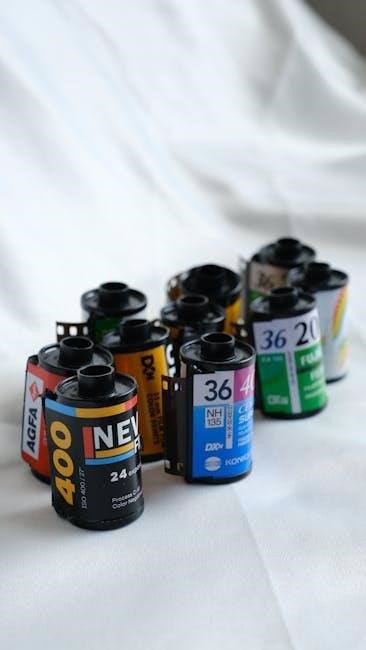
ISO in Different Lighting Conditions
ISO settings are heavily influenced by the ambient light available. Bright‚ sunny conditions typically allow for the lowest ISO values (100-200)‚ maximizing image quality and minimizing noise. These low settings capture detail with clarity and vibrant colors.
As light diminishes – during overcast days‚ in shaded areas‚ or at dusk – increasing the ISO becomes necessary. A mid-range ISO (400-800) often suffices‚ providing a balance between brightness and noise. Indoors‚ or in low-light scenarios‚ higher ISO values (1600‚ 3200‚ or even higher) may be required.
However‚ be mindful of the trade-off. Each doubling of ISO increases sensitivity but also introduces more noise. Understanding your camera’s ISO performance is crucial. Experiment to determine the highest usable ISO before unacceptable noise levels appear. Utilizing the exposure triangle – aperture and shutter speed – alongside ISO is essential for optimal results.
Digital vs. Film ISO
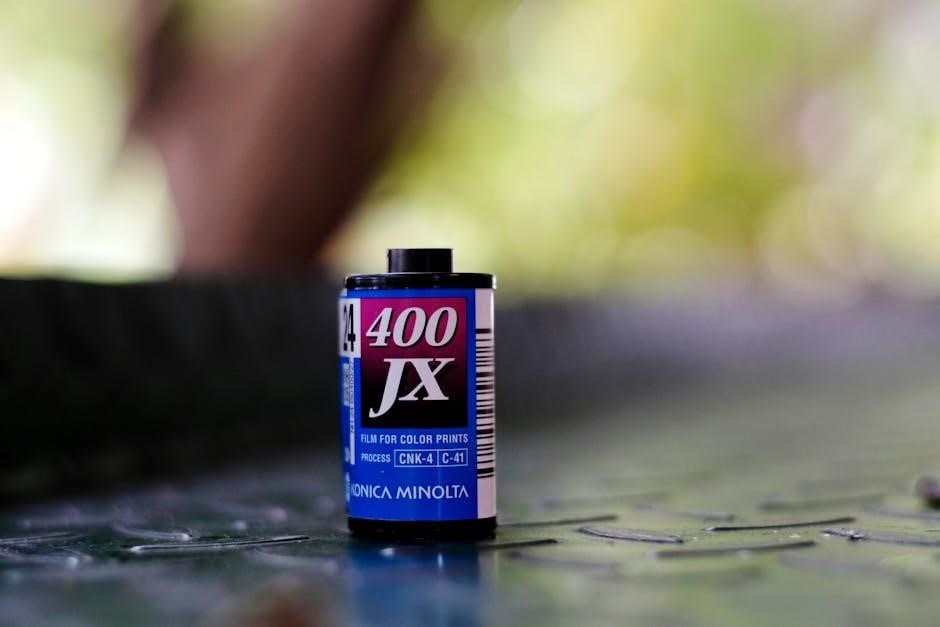
Historically‚ ISO originated with film photography‚ representing the film stock’s sensitivity to light. Each film roll had a fixed ISO rating – 100‚ 200‚ 400‚ etc. – dictating its light-gathering capability. Changing sensitivity meant physically changing the film.
Digital cameras offer significantly more flexibility. ISO in digital photography isn’t a fixed property; it’s an adjustable setting that electronically amplifies the signal from the image sensor. This allows photographers to change ISO on the fly‚ adapting to varying lighting conditions without swapping media.

While the numerical values are similar‚ the way ISO is achieved differs. Digital ISO amplification can introduce noise‚ whereas film grain is a characteristic of the film itself. Furthermore‚ digital sensors often exhibit “native ISO” – the ISO at which they perform optimally. Understanding these distinctions is key to maximizing image quality in both mediums.
ISO Equivalency in Film Stocks
When transitioning from film to digital‚ understanding ISO equivalency can be helpful. Common film ISO values have direct counterparts in the digital world‚ allowing photographers to replicate a familiar aesthetic. For instance‚ ISO 100 film equates to ISO 100 on a digital camera‚ offering fine grain and requiring ample light.
ISO 200 film finds its digital equivalent at ISO 200‚ providing a balance between sensitivity and grain. ISO 400 film‚ often used for general photography‚ corresponds to ISO 400 digitally. Higher film speeds like 800‚ 1600‚ and 3200 have digital equivalents‚ but the trade-off with noise becomes more pronounced in digital capture.
However‚ it’s crucial to remember that the character of grain in film differs from noise in digital images. Film grain is often considered more organic and pleasing‚ while digital noise can appear harsh. Therefore‚ while ISO values provide a starting point‚ achieving a truly filmic look requires further post-processing techniques.
Understanding Native ISO
Native ISO refers to the base ISO setting of a camera’s sensor – the ISO at which the sensor exhibits the cleanest signal with the least amount of amplification. This is typically the lowest ISO value offered‚ such as ISO 100‚ but can sometimes be higher on certain cameras. Shooting at native ISO maximizes dynamic range and minimizes noise‚ resulting in the highest image quality.
Many modern cameras offer extended ISO settings‚ both above and below the native ISO. These extended values are achieved through software processing‚ and while convenient‚ they often come at a cost. Lowering the ISO below native typically involves digital manipulation that can reduce detail‚ while raising it introduces more noise.
Knowing your camera’s native ISO is vital for achieving optimal results. It allows you to understand the sensor’s limitations and make informed decisions about ISO settings in various shooting scenarios. Some cameras even have multiple native ISOs‚ offering flexibility in different lighting conditions.
ISO Invariance and Overexposure Techniques
ISO invariance is a fascinating property of many digital cameras‚ meaning that increasing ISO during post-processing yields similar results to increasing ISO in-camera‚ regarding noise levels. This allows for a powerful technique: intentionally underexposing the image while shooting at a low ISO‚ then brightening it in editing.
The benefit? Retaining more highlight detail. Overexposing slightly during capture‚ while monitoring the histogram‚ prevents clipping highlights‚ which are often unrecoverable. Then‚ lowering the exposure in post-processing brings the image to the desired brightness. Because of ISO invariance‚ raising the ISO in editing to compensate doesn’t significantly worsen noise compared to shooting at a higher ISO initially.
However‚ this technique doesn’t eliminate noise entirely. It merely shifts where the noise originates – from the sensor’s amplification to the brightening process. Understanding your camera’s ISO invariance is key to leveraging this technique effectively for cleaner‚ more detailed images.
Practical Examples of ISO Usage
Let’s explore real-world scenarios. For landscape photography on a bright‚ sunny day‚ a low ISO like 100 or 200 is ideal‚ maximizing detail and minimizing noise. A tripod allows for longer shutter speeds‚ further reducing the need for higher ISO settings.

In portrait photography outdoors in overcast conditions‚ ISO 400 or 800 might be necessary to maintain a fast enough shutter speed to freeze subject motion and a suitable aperture for pleasing background blur. Indoors‚ without flash‚ ISO 800-3200 (or higher‚ depending on the camera) becomes common.
Low-light photography‚ such as astrophotography or indoor events‚ often demands high ISO values – 3200‚ 6400‚ or even higher. While noise increases‚ it’s often a necessary trade-off to capture any image at all. Modern noise reduction software can mitigate the impact of high ISO noise during post-processing‚ allowing for usable images in challenging conditions.
Landscape Photography ISO Settings
Landscape photography generally favors the lowest possible ISO setting – typically ISO 100 – to maximize image quality and minimize digital noise. This ensures the sharpest details and richest colors in your scenes. Because landscapes are often static subjects‚ you can utilize slower shutter speeds and narrower apertures without worrying about motion blur.
A tripod is almost essential for landscape work‚ allowing you to keep the ISO low even in challenging light. If shooting during golden hour or twilight‚ you might incrementally increase the ISO to 200 or 400 to maintain a reasonable shutter speed‚ but prioritize keeping it as low as possible.
Modern cameras often perform well at ISO 200‚ offering minimal noise increase. However‚ always review your images at 100% magnification to assess noise levels and ensure they are acceptable for your desired output. Remember‚ preserving detail is paramount in landscape photography‚ making low ISO a cornerstone of the process.
Portrait Photography ISO Settings
Portrait photography requires a balance between image quality and the ability to freeze subject motion and achieve desired depth of field. A good starting point is ISO 200 or 400‚ especially in well-lit environments. This provides a clean image with sufficient light sensitivity.
As lighting conditions diminish‚ you’ll likely need to increase the ISO. ISO 800 is often acceptable‚ and many modern cameras handle ISO 1600 reasonably well. However‚ be mindful of noise‚ particularly when photographing skin‚ as it can accentuate imperfections.
Prioritize a fast enough shutter speed to avoid motion blur‚ especially when photographing candid portraits. If you’re using a wider aperture for shallow depth of field‚ a higher ISO might be necessary to maintain a proper exposure. Regularly check your images for noise and adjust accordingly‚ aiming for the lowest ISO that delivers a correctly exposed and sharp portrait.
Low-Light Photography ISO Settings
Low-light photography demands a strategic approach to ISO settings. Because of limited available light‚ higher ISO values become essential‚ but introduce the risk of increased image noise. Start by assessing the scene and your desired outcome – are you prioritizing a clean image or capturing the shot at all?
ISO 800 to 1600 is a common range for dimly lit indoor scenes. For even darker environments‚ such as astrophotography or concerts‚ you may need to push the ISO to 3200‚ 6400‚ or even higher. Modern cameras often perform surprisingly well at these elevated settings.
Experiment with your camera’s ISO invariance capabilities (if available). This allows for intentional underexposure at a lower ISO‚ followed by brightening in post-processing‚ potentially reducing noise. Remember to balance ISO with aperture and shutter speed to achieve a properly exposed image while minimizing unwanted noise.
Resources for Further Learning (PDF Guides & Online Articles)
To deepen your understanding of ISO and its impact on photography‚ numerous resources are readily available. Ricoh Global offers detailed explanations of ISO sensitivity within their digital camera knowledge base‚ providing a solid foundation. Skylum’s how-to blog features a simple guide and technical explanation of ISO‚ suitable for all skill levels.
Reddit’s r/AskPhotography and r/explainlikeimfive communities host insightful discussions on ISO‚ often breaking down complex concepts into easily digestible terms. Search these forums for threads explaining ISO “like you’re 5” for a fundamental grasp.
YouTube channels dedicated to photography frequently cover ISO as part of the exposure triangle. Look for videos explaining how ISO interacts with aperture and shutter speed. Many camera manufacturers also provide downloadable PDF guides on their websites‚ offering in-depth tutorials specific to their camera models. Explore these resources to refine your photographic technique.