Witchcraft, a diverse practice, blends ancient beliefs with modern spirituality, offering a path to connect with nature and the spirit realm.
It’s a journey of self-discovery, empowerment, and reverence for the earth, rooted in both historical traditions and personal exploration.
Understanding its varied forms—from Wicca to folk practices—reveals a rich tapestry of wisdom and magical potential for all seekers.
What is Witchcraft?
Witchcraft is often misunderstood, frequently portrayed through a lens of fear or sensationalism, yet at its core, it’s a profoundly personal and spiritual practice. It’s not about supernatural powers in the comic-book sense, but rather about harnessing natural energies and working in harmony with the universe.
Historically, the term evolved, originating from the Celtic word “Wicca,” meaning “wise one,” highlighting a connection to knowledge and healing. Modern interpretations, like Wicca, emphasize reverence for nature, the divine feminine, and ethical living.
However, witchcraft encompasses a vast spectrum of beliefs and practices, extending far beyond Western traditions to include indigenous spiritualities and folk magic worldwide, where it’s often deeply integrated into daily life and religious expression.
Historical Perspectives on Witchcraft
Historically, perceptions of witchcraft have dramatically shifted. Early records, like the story of the Witch of Endor in 1 Samuel (931-721 B.C.), demonstrate ancient acknowledgment of spirit communication. However, the dominant narrative became colored by the rise of Christianity in Europe, leading to a demonization of pre-Christian beliefs.
This culminated in the infamous European witch hunts, fueled by societal anxieties and religious fervor. Simultaneously, folk traditions maintained a more nuanced view, recognizing witches as healers and wise women.
Understanding these contrasting perspectives—the religious condemnation versus the folk acceptance—is crucial for a comprehensive historical understanding of witchcraft.
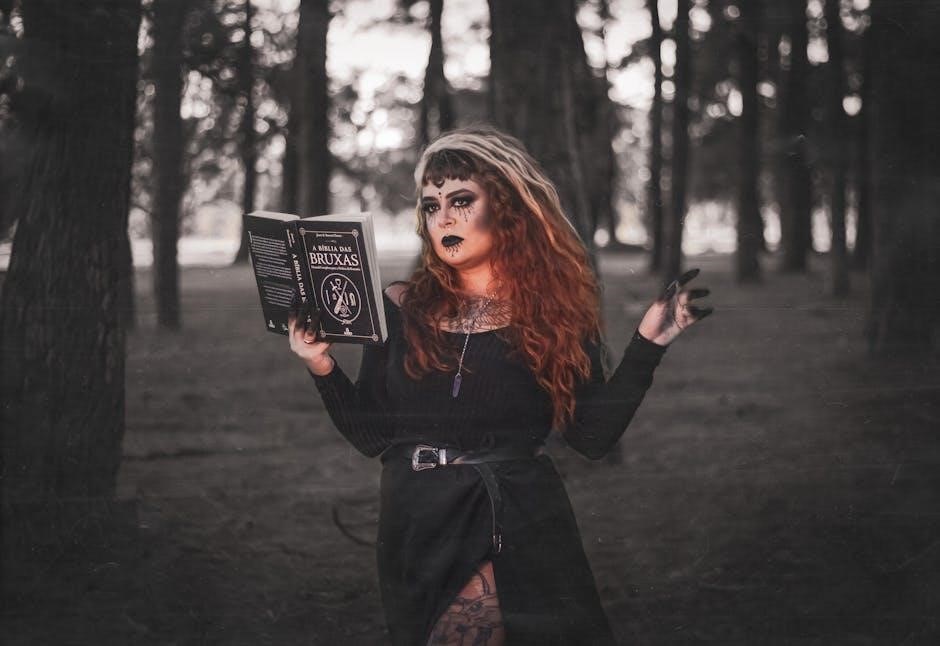
Ancient Roots of Witchcraft
Ancient witchcraft’s origins are deeply embedded in pre-Christian traditions, Celtic beliefs, and early religious texts, showcasing humanity’s long-held connection to the spirit world.
Early Mentions in Religious Texts
Religious texts offer some of the earliest documented references to practices we now associate with witchcraft. The Bible, specifically 1 Samuel, recounts King Saul consulting the Witch of Endor around 931-721 B.C. to summon the spirit of the prophet Samuel.
This story, while condemning such acts within a specific theological framework, acknowledges the existence of individuals believed capable of interacting with the spirit realm. These early mentions demonstrate that beliefs surrounding magic and divination were present in ancient societies and recorded within their foundational narratives, shaping perceptions for centuries.
Witchcraft in Ancient Cultures
Across diverse ancient cultures, figures resembling witches held varied roles. They were often seen as healers, wise women, or individuals possessing specialized knowledge of herbal remedies and midwifery, particularly in rural folk traditions.
However, beliefs also encompassed more feared aspects, portraying witches as wielding malevolent power. These perceptions weren’t monolithic; they differed significantly based on cultural context and worldview, highlighting the complex and multifaceted nature of magical practices throughout history, predating Eurocentric definitions.
The European Witch Hunts
The European Witch Hunts, fueled by religious and societal fears, tragically persecuted countless individuals—primarily women—accused of practicing witchcraft and heresy.
These trials represent a dark chapter, shaped by power dynamics and misinformation, leaving a lasting impact on collective memory.
Causes of the Witch Trials
Several interwoven factors ignited the European Witch Trials. Religious upheaval following the Reformation created anxieties about heresy and demonic influence, fostering an environment of suspicion.
Economic hardship, including famine and disease, led to scapegoating, with marginalized individuals—often women—blamed for misfortune.
Social tensions, patriarchal structures, and the spread of demonological literature further fueled the hysteria. Historical records, often biased, were created by persecutors, solidifying negative perceptions.
These combined elements created a climate where accusations could flourish, leading to widespread persecution and tragic loss of life.
Key Figures and Events in the Trials
King Saul’s consultation with the Witch of Endor (around 931-721 B.C.) represents an early biblical reference to witchcraft, though viewed negatively. Later, figures like King James I actively promoted demonological beliefs, influencing trial procedures.
The North Berwick witch trials in Scotland (1590-1591) involved accusations of conspiring with the devil to harm the king.
The Salem witch trials (1692-1693) in Massachusetts, fueled by adolescent accusers, resulted in the execution of twenty individuals. These events highlight the power of mass hysteria and flawed legal processes.
Impact of the Witch Hunts on Society
The witch hunts profoundly impacted European society, fostering fear, distrust, and social fragmentation. Accusations often targeted marginalized individuals – primarily women, especially those practicing midwifery or herbalism – disrupting community structures.
Persecution reinforced patriarchal norms and suppressed traditional knowledge. Historical records, largely written by persecutors, present a biased narrative, obscuring the truth about accused individuals.
The hunts contributed to a climate of religious extremism and political control, leaving a lasting legacy of trauma and injustice that continues to resonate today.
Folk Witchcraft and Traditional Practices
Folk witchcraft centers on local customs, herbal remedies, and practical magic, often involving healing, midwifery, and connecting with the land’s spirits.
These traditions, passed down through generations, represent a grassroots approach to magic, deeply embedded in community life.
Herbalism and Healing
Herbalism forms a cornerstone of folk witchcraft, utilizing plants for medicinal and magical purposes. Historically, witches were often village healers, possessing extensive knowledge of local flora and their properties.
This practice extends beyond physical healing, encompassing emotional and spiritual well-being. Creating tinctures, salves, and teas allows practitioners to harness nature’s power.
Understanding plant correspondences – linking herbs to deities, planets, or intentions – enhances spellwork. Ethical sourcing and respect for the plant kingdom are paramount in this tradition.
Midwifery and Women’s Magic
Midwifery historically intertwined with witchcraft, as women served as healers and birth attendants, holding sacred knowledge of the female body and reproductive cycles.
This role often placed them at the center of communities, providing essential care and spiritual support during vulnerable times.
Accusations of witchcraft frequently targeted these women, fueled by societal fears and attempts to control female power. Women’s magic encompassed healing, fertility rites, and protection, representing a potent, often suppressed, force.
Divination and Fortune Telling
Divination, a cornerstone of many magical traditions, involves seeking insight into the past, present, and potential futures through various methods.
Practices like tarot reading, scrying (using mirrors or water), and rune casting allow practitioners to connect with intuitive energies and symbolic language.
These techniques aren’t about predicting a fixed destiny, but rather exploring probabilities and gaining self-awareness. Fortune telling, often linked to folk witchcraft, offered guidance and comfort within communities, revealing hidden patterns and possibilities.
Modern Witchcraft Traditions
Modern witchcraft encompasses diverse paths like Wicca, Paganism, and solitary practice, each offering unique beliefs and rituals for spiritual growth.
These traditions honor nature, deities, and personal empowerment, adapting ancient wisdom for contemporary seekers.
Wicca: Origins and Beliefs
Wicca, a modern Pagan religion, emerged in England during the mid-20th century, largely through the work of Gerald Gardner. It draws heavily from pre-Christian Celtic traditions, reinterpreting them through a contemporary lens.
Central to Wiccan belief is the worship of the God and Goddess, representing the divine masculine and feminine energies. Wiccans celebrate the Wheel of the Year, marking seasonal festivals (Sabbats) aligned with agricultural cycles and natural rhythms.
A core tenet is the Wiccan Rede – “An it harm none, do what ye will” – emphasizing ethical responsibility and the importance of causing no harm. Wicca values reverence for nature, magical practice, and personal spiritual growth.
Paganism and Witchcraft
Paganism encompasses a diverse range of earth-based spiritual traditions, often polytheistic, predating the dominance of Abrahamic religions. Witchcraft, while sometimes a component of Paganism, isn’t synonymous with it; many Pagans don’t identify as witches, and vice versa.
Historically, the term “Pagan” was used pejoratively, but modern Pagans have reclaimed it, embracing a connection to nature, ancestor veneration, and diverse spiritual paths.
Witchcraft within Paganism often involves magical practice, herbalism, and working with deities. Both emphasize personal experience and a reverence for the natural world, offering alternatives to mainstream religious structures.
Solitary Witchcraft
Solitary Witchcraft represents a deeply personal path, allowing practitioners to develop their craft independently, free from the structure of covens or organized groups. This approach emphasizes self-reliance and intuitive development, fostering a unique connection to the divine.
Solitary witches often create their own rituals, select deities, and tailor practices to their individual needs and beliefs, drawing inspiration from various traditions.
While lacking group support, it offers flexibility and autonomy, allowing for a customized spiritual journey focused on personal growth and magical exploration.
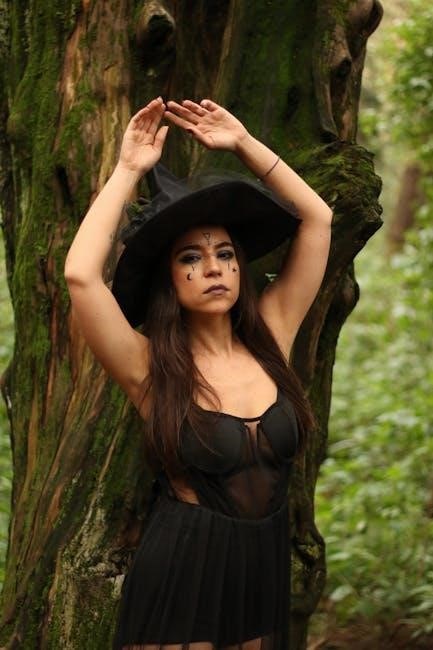
Tools and Techniques in Witchcraft
Witchcraft utilizes diverse tools—herbs, crystals, and tarot—alongside techniques like spellcasting and ritual, to focus intention and manifest desired outcomes.
These practices require focused energy and understanding of correspondences to achieve effective magical results.
The Witch’s Tools: An Overview
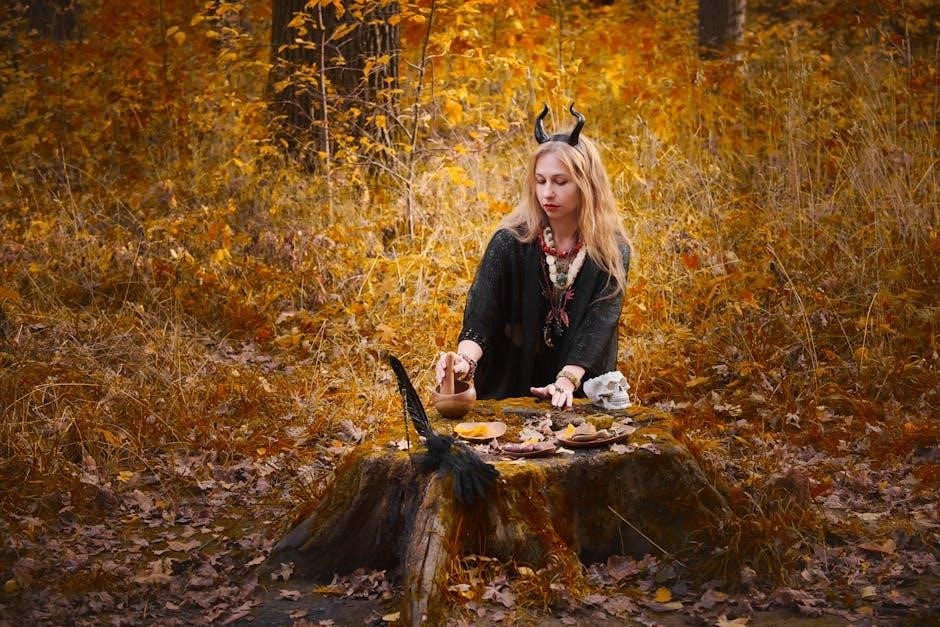
A witch’s toolkit isn’t about magical power in the objects, but rather their ability to focus intent. The altar, a sacred space, often holds a wand for directing energy, an athame (ritual knife) for symbolic cutting, and a chalice representing the divine feminine.
Crystals amplify energies, herbs offer healing and magical properties, and candles symbolize illumination and intention. Tarot cards provide guidance through divination, while a cauldron represents transformation. These tools, combined with focused will, facilitate connection with the spiritual realm and manifestation of desired outcomes.
Spellcasting Basics
Spellcasting is the art of directing energy towards a specific intention. It begins with clear visualization and focused will, often enhanced by ritual and tools. Formulating a spell involves defining the desired outcome, gathering corresponding herbs, crystals, or colors, and creating a sacred space.
Incantations, or spoken words, amplify the spell’s energy. Remember ethical considerations – spells should align with the Wiccan Rede (“An it harm none, do what ye will”). Grounding and centering before and after spellwork are crucial for maintaining balance and preventing energy drain.
Rituals and Ceremonies
Rituals are structured sequences of actions imbued with spiritual meaning, while ceremonies often mark significant life events or seasonal changes. Both serve to connect practitioners with deities, ancestors, or elemental forces. Creating a ritual space involves casting a circle for protection and defining sacred boundaries.
Elements like candles, incense, and offerings enhance the atmosphere. Rituals often include invocation, working (the spell or intention), and dismissal. Respectful intention and mindful participation are key to successful and meaningful ceremonies.
Ethics and Responsibility in Witchcraft
Witchcraft emphasizes ethical conduct, notably the Wiccan Rede (“An it harm none, do what ye will”). Responsible practice prioritizes consent, self-awareness, and mindful intention.
The Wiccan Rede
The Wiccan Rede, often summarized as “An it harm none, do what ye will,” serves as the cornerstone of ethical conduct within Wicca and many modern witchcraft paths.
It isn’t a license for unrestrained action, but a profound responsibility to consider the consequences of one’s actions on all beings.
This principle encourages practitioners to act with compassion, understanding that every action creates a ripple effect.
It emphasizes the importance of free will and avoiding manipulation or coercion.
Ultimately, the Rede guides Wiccans toward a path of harmony, balance, and reverence for life.
Harm None: Ethical Considerations
“Harm None” extends beyond physical harm, encompassing emotional, mental, and spiritual well-being of oneself and others. Ethical witchcraft demands careful consideration of intent and potential repercussions.
Spellwork targeting another’s free will is generally discouraged, as is any practice motivated by malice or revenge.
Self-care is crucial; neglecting one’s own energy can lead to imbalances and unintended negative outcomes.
Practitioners must acknowledge the interconnectedness of all things and strive for responsible, mindful magic.
True power lies in healing and empowerment, not control or domination;
Witchcraft and the Spirit World
Witchcraft deeply involves connecting with deities, ancestors, and spirit guides for wisdom, healing, and support on one’s magical path.
These relationships are built on respect, reciprocity, and a genuine desire for growth.
Working with Deities
Establishing a connection with deities is a cornerstone of many witchcraft paths, offering guidance, strength, and a deeper understanding of the universe.
This isn’t about worship in a traditional sense, but rather building a reciprocal relationship based on mutual respect and understanding.
Researching different pantheons – Celtic, Greek, Egyptian, and others – is crucial to finding deities that resonate with your personal beliefs and magical goals.
Offerings, rituals, and devotional acts demonstrate reverence and strengthen the bond, fostering a powerful alliance for magical work and spiritual growth.
Connecting with Ancestors
Honoring your ancestors is a profound practice within witchcraft, recognizing the wisdom and power of those who came before you.
This connection provides guidance, healing, and a sense of belonging, strengthening your spiritual lineage and personal identity.
Methods include creating altars, sharing stories, performing rituals, and leaving offerings of food or drink to show respect and remembrance.
Acknowledging both the positive and challenging aspects of your family history fosters a complete and authentic ancestral connection.
Understanding Spirit Guides
Spirit guides are non-physical beings who offer support, wisdom, and protection on your life’s journey as a witch.
They can manifest as ancestors, animal totems, deities, or simply as a felt presence, communicating through intuition, dreams, and signs.
Developing a relationship with your guides involves meditation, journaling, and paying attention to synchronicities.
Respectful communication and clear intention are key to receiving their guidance and integrating their wisdom into your practice.
Witchcraft Today
Modern witchcraft experiences a vibrant resurgence, blending ancient wisdom with contemporary life, fueled by social media and a desire for spiritual connection.
The Resurgence of Witchcraft
The modern era witnesses a remarkable revival of witchcraft, driven by several converging factors. A growing disillusionment with mainstream religion and societal norms prompts individuals to seek alternative spiritual paths.
This resurgence is significantly amplified by the internet and social media platforms, fostering communities and providing accessible information. Witchcraft offers empowerment, particularly for women and marginalized groups, reclaiming agency and celebrating feminine power.
Furthermore, an increasing interest in environmentalism and natural living aligns with witchcraft’s reverence for the earth and its cycles, contributing to its growing appeal.
Witchcraft in Popular Culture
Witchcraft’s portrayal in popular culture has undergone a significant evolution, shifting from depictions of malicious figures to more nuanced and empowering representations. Television shows, films, and literature frequently explore witchcraft themes, often attracting new audiences.
While some portrayals perpetuate stereotypes, many modern works showcase witchcraft as a positive force for change, emphasizing themes of female empowerment, environmentalism, and spiritual exploration.
This increased visibility normalizes witchcraft, fostering greater understanding and acceptance, while simultaneously inspiring individuals to delve deeper into its practices and beliefs.
Resources for Learning More
Embarking on a witchcraft journey requires continuous learning and exploration. Numerous books offer foundational knowledge, covering history, practices, and ethics. Online communities and forums provide spaces for connection and shared wisdom, fostering a supportive learning environment.
Websites dedicated to Wicca and Paganism offer articles, rituals, and spellwork guidance. Local metaphysical shops often host workshops and classes, providing hands-on experience.
Remember to critically evaluate sources and prioritize ethical considerations throughout your studies, ensuring a responsible and informed practice.
Common Misconceptions About Witchcraft
Witchcraft is often wrongly linked to Satanism, while it’s a diverse spiritual path focused on nature, healing, and personal empowerment, not evil intent.
Debunking Stereotypes
Many enduring stereotypes portray witches as malicious, ugly, and solely focused on dark magic – images largely fueled by historical persecution and Eurocentric narratives. These depictions ignore the vast spectrum of witchcraft traditions globally.
Historically, witches were often healers, midwives, and wise women integral to their communities, utilizing herbalism and folk remedies. The “evil crone” archetype is a harmful simplification.
Modern witchcraft embraces diversity, with practitioners of all genders, ages, and backgrounds. It’s about empowerment, connection to nature, and ethical practice, dismantling the harmful, outdated stereotypes.
Witchcraft vs. Satanism
A crucial distinction exists between witchcraft and Satanism, often conflated due to historical biases and sensationalized media. Witchcraft, in most traditions, does not involve the worship of Satan or any demonic entities.
Many witches honor deities from various pantheons, focus on nature-based spirituality, or practice a non-theistic path. Satanism, conversely, often involves a rejection of traditional religious morality and, in some forms, the veneration of Satan.
The association arose during the European witch hunts, where accusations of devil worship were used to justify persecution. Modern witches actively reject this false equivalence.
Protecting Yourself in Witchcraft
Energy protection is vital; utilize techniques like grounding, shielding, and cleansing rituals to maintain balance and ward off unwanted influences.
Regularly banish negative energies and practice self-care to safeguard your spiritual well-being during magical work.
Energy Protection Techniques
Grounding is foundational, connecting your energy to the Earth – visualize roots extending from your feet, drawing strength and stability. Shielding creates a protective barrier; imagine a bubble of white light surrounding you, deflecting negativity.
Salt is a classic purifier, used in circles or sprinkled around spaces. Herbs like rosemary and sage offer cleansing properties when smudged or burned. Crystals, such as black tourmaline, absorb negative energy. Regularly practice these techniques to maintain a strong energetic boundary, especially after spellwork or spirit communication.
Cleansing and Banishing
Smudging with sage, palo santo, or rosemary effectively clears stagnant energy from spaces and auras, releasing negativity. Sound cleansing, using bells, singing bowls, or clapping, disrupts unwanted vibrations. Physical cleansing involves sweeping or washing floors with infused water, symbolizing the removal of old energies.
Banishing rituals intentionally release unwanted entities or influences, requiring clear intention and focused will. Visualize the negativity being transformed or sent back to its source. Always follow cleansing with protection to prevent re-entry.
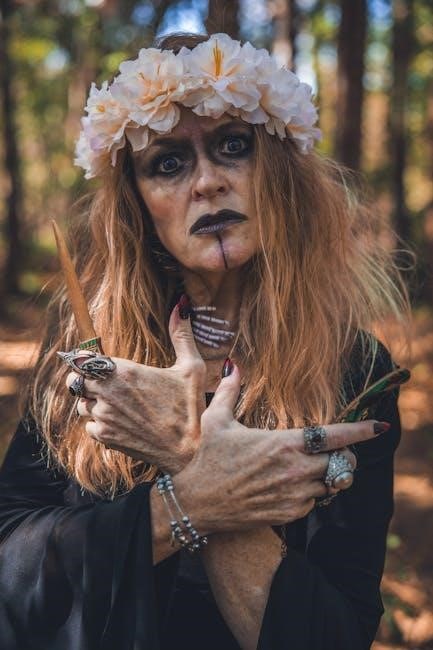
The Future of Witchcraft
Witchcraft evolves, embracing inclusivity and social justice, while traditions adapt to modern challenges, fostering a renewed connection to spirituality and the earth.
Evolving Traditions
Witchcraft’s future isn’t about rigid adherence to the past, but a dynamic interplay between honoring ancestral practices and embracing contemporary needs. Traditions are becoming increasingly fluid, incorporating diverse cultural influences and personal innovations.
This evolution sees a move towards decentralized structures, with practitioners forging unique paths rather than strictly following established lineages. The integration of technology, such as online communities and digital tools, further accelerates this change, fostering accessibility and collaboration.
Ultimately, the evolving traditions reflect a growing emphasis on individual empowerment and a commitment to creating a more inclusive and relevant spiritual practice.
Witchcraft and Social Justice
Increasingly, modern witchcraft is intertwined with activism and a commitment to social justice. Many practitioners view their magical work as a means to amplify marginalized voices and challenge oppressive systems.
This manifests in spellwork focused on healing collective trauma, advocating for environmental protection, and dismantling systemic inequalities. The emphasis on interconnectedness within witchcraft naturally extends to a concern for the well-being of all beings and the planet.
This intersection highlights witchcraft as not merely a personal practice, but a force for positive change in the wider world.